
Spring Fashion Trends: How to Style for Less
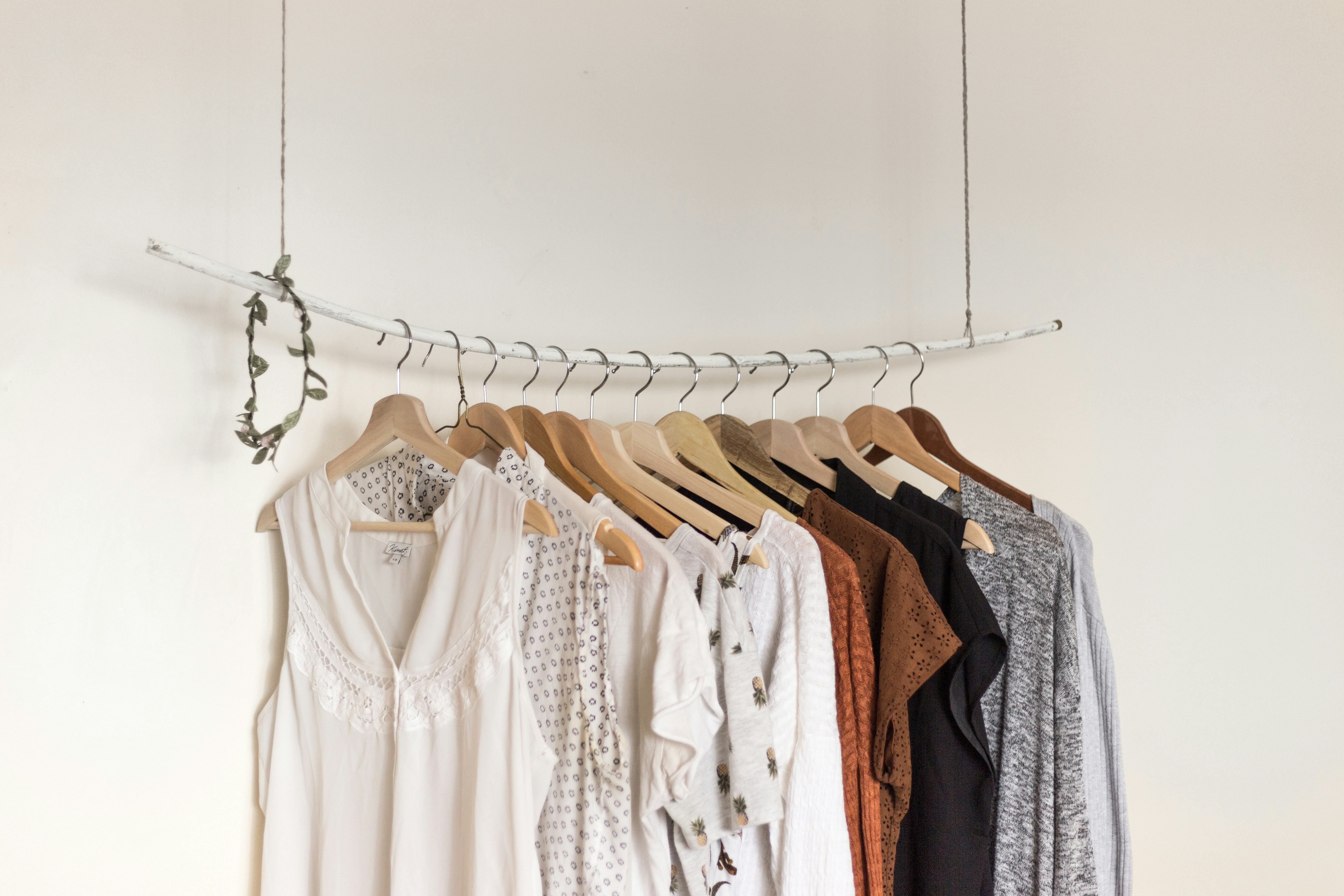
Spring Fashion Trends: How to Style for Less
Spring is the perfect time to refresh your wardrobe, but updating your style does not mean you need to spend a lot of money. New collections can make every trend look tempting, yet many fashionable outfits can be created with clothes you already own.
For Spring 2026, fashion coverage is highlighting relaxed silhouettes, expressive colors, lightweight layers, sporty influences, scarves, statement shoes, and updated versions of classic wardrobe pieces.
The secret to dressing well on a budget is not buying every new trend. Instead, focus on a few versatile pieces, use your existing wardrobe creatively, and shop strategically.
Here are practical ways to enjoy Spring fashion trends without overspending.
1. Start With Your Existing Wardrobe
Before buying anything new, look through the clothes you already own.
You may already have pieces that fit current spring trends, such as:
-
White or neutral shirts
-
Lightweight cardigans
-
Jeans
-
Wide-leg trousers
-
Skirts
-
Sneakers
-
Ballet flats
-
Scarves
-
Lightweight jackets
-
Simple dresses
Spring trends often build on familiar wardrobe staples rather than requiring a completely new closet. For example, a simple button-down shirt can be styled with jeans for a casual outfit or a skirt for a more polished look.
The cheapest fashion item is often the one you already own.
2. Choose One Trendy Piece at a Time
One of the easiest ways to overspend is trying to follow every trend simultaneously.
Instead, choose one or two trends that genuinely fit your personal style.
For Spring 2026, affordable fashion coverage has highlighted options such as broderie blouses, balloon trousers, lace scarves, embellished shoes, sheer polka dots, high-neck blazers, and top-handle bags.
You do not need all seven.
For example, if you already have several pairs of jeans and basic tops, adding one interesting scarf may refresh your outfits without requiring a complete wardrobe makeover.
3. Invest in Versatile Basics
When shopping on a budget, versatility is more important than novelty.
Look for pieces that can be worn with several outfits.
A neutral shirt, for example, can work with jeans, trousers, skirts, or shorts. A lightweight jacket can be worn over dresses or casual outfits.
Before purchasing something, ask:
"Can I create at least three different outfits with this?"
If the answer is yes, the purchase is more likely to provide good value.
4. Try the Scarf Trend
Accessories can change an outfit without requiring a large wardrobe investment.
Scarves are particularly useful because they can be styled in different ways. Spring 2026 fashion coverage has highlighted lace scarves as one affordable way to introduce a seasonal trend.
You can experiment with a scarf as:
-
A neck accessory
-
A head covering
-
A bag decoration
-
A belt-style accent
-
A simple accessory tied around an outfit
Because accessories are relatively small, you can experiment with a trend without replacing your entire wardrobe.
5. Refresh Old Jeans
You do not necessarily need new trousers to create a current spring look.
Take your existing jeans and change everything around them.
For example:
Old jeans + fresh blouse + simple flats + accessory = new outfit
Wide-leg and relaxed silhouettes have received attention in Spring 2026 fashion coverage, but you can interpret the trend using a pair of trousers or jeans you already have rather than immediately buying a new pair.
If your existing jeans fit comfortably and are in good condition, styling them differently may be a better financial choice than replacing them.
6. Use Color Strategically
You do not need an entirely colorful wardrobe to make your spring outfits feel fresh.
Instead, add one noticeable color to a simple outfit.
For example:
Neutral outfit + colorful bag
or
Basic jeans + neutral top + colorful shoes
This approach allows you to experiment with seasonal colors while keeping most of your wardrobe versatile.
Fashion coverage for Spring 2026 has emphasized more expressive styling and stronger color choices, making small color accents an easy way to participate without making a major purchase.
7. Shop During Sales
If you do need something new, avoid buying immediately just because a trend is popular.
Check for legitimate sales and promotions before purchasing.
Compare prices between retailers and look at the final price rather than focusing only on the advertised percentage discount.
You can also create a wishlist and wait for a suitable promotion.
This strategy is particularly useful for seasonal clothing because retailers regularly introduce new collections and discount older inventory.
8. Consider Secondhand Fashion
Secondhand shopping can be another budget-friendly option.
Thrift stores, resale shops, and reputable secondhand marketplaces can sometimes offer clothing and accessories at lower prices than buying new.
It can also be useful when looking for classic pieces such as:
-
Denim
-
Blazers
-
Scarves
-
Bags
-
Jackets
-
Button-down shirts
When buying secondhand, inspect the item's condition carefully. Check seams, zippers, buttons, stains, and fabric condition before purchasing.
9. Create Outfit Formulas
Instead of buying an individual item every time you want a new outfit, develop a few reliable outfit formulas.
For example:
Formula 1: Jeans + blouse + flats + scarf
Formula 2: Trousers + T-shirt + lightweight jacket + sneakers
Formula 3: Skirt + simple top + cardigan + flats
Formula 4: Dress + lightweight jacket + comfortable shoes
These formulas make getting dressed easier and help you identify which pieces are actually missing from your wardrobe.
Spring fashion coverage has increasingly emphasized versatile pieces and combinations that can work across different situations, which makes outfit formulas particularly useful for budget-conscious shoppers.
10. Spend More on Wear, Not Hype
A low price is not always a bargain.
If an item is extremely cheap but you only wear it once, it may provide less value than a moderately priced piece you wear repeatedly.
Think about cost per wear.
If a $60 jacket is worn 30 times, its approximate cost per wear is $2.
Meanwhile, spending $25 on an item that you wear once gives you a $25 cost per wear.
You do not need expensive designer clothing to dress well. The goal is to choose pieces that are useful, comfortable, and suitable for your lifestyle.
11. Make Accessories Do the Work
Accessories can dramatically change simple outfits.
Instead of purchasing multiple complete outfits, consider adding small details such as:
-
A scarf
-
Simple jewelry
-
A belt
-
Sunglasses
-
A bag
-
A pair of statement shoes
Spring 2026 coverage has also highlighted embellished shoes and statement accessories as ways to update relatively simple outfits.
The advantage is that one accessory can work with several outfits.
12. Avoid Impulse Shopping
Trends can create a sense of urgency.
You might see an item repeatedly on social media and suddenly feel that you need it immediately.
Give yourself time before purchasing.
Ask yourself:
-
Do I actually like this item?
-
Does it work with clothes I already own?
-
Will I wear it more than once?
-
Is the price reasonable?
-
Am I buying it because I need it or because it is trending?
If you still want it after considering these questions, you can make a more informed decision.
Final Thoughts
Following Spring 2026 fashion trends does not require an expensive wardrobe.
The most effective strategy is to style smarter rather than simply shop more. Start with what you already own, identify a few trends that suit your personal style, and add small updates instead of replacing everything.
Experiment with accessories, refresh old denim, use color strategically, build versatile outfit formulas, and consider sales or secondhand options when you genuinely need something new.
Most importantly, remember that trends are suggestions—not rules. A wardrobe that fits your lifestyle and allows you to create multiple outfits can be more valuable than a closet filled with short-lived trends.
With a little creativity and thoughtful shopping, you can enjoy the feeling of a fresh spring wardrobe while keeping your spending under control.
.